The business case for independent scrutiny
This is the second post in our series on "Why the RPC matters" explaining the importance of our independent scrutiny.
This is the first post in a new series on ‘Why the RPC matters’ from our Chair, Stephen Gibson, explaining the importance of our independent scrutiny.
The Better Regulation Framework requires departments to assess how policies affect market competition. Regulations can inadvertently harm consumers and growth by creating barriers for new businesses and innovative competitors. Policymakers should use the CMA's checklist to identify competition impacts and explore alternatives that protect smaller firms and potential market entrants.
How government values carbon has become an increasingly important part of its value for money analysis. At the RPC, we scrutinise carbon appraisal as we would other societal impacts - looking for proportionality, transparency and consistency.
The government is keen that all areas of the public sector understand the opportunities from using artificial intelligence (AI) and mitigate the potential risks. The RPC has been experimenting with using AI tools over the past few months to see how far these can help us with different aspects of our work.
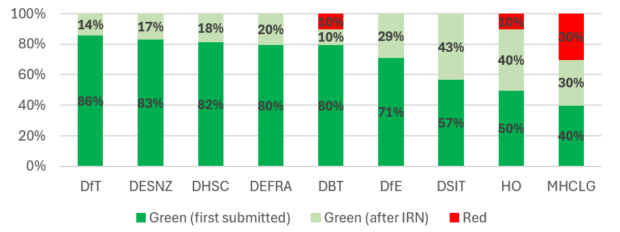
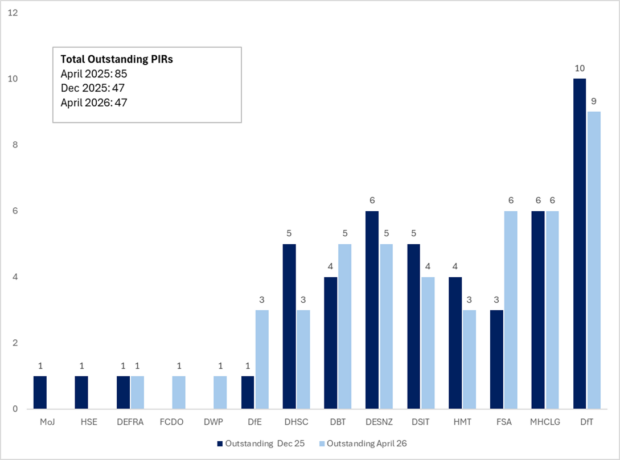
Post-implementation reviews (PIRs) play a vital role in ensuring that regulations remain proportionate and effective. This blog provides an update on that latest position: the number of outstanding PIRs across government and the progress by the eight departments with the largest backlogs against the commitments that they made.
The report reflects on a very busy year with many changes for the RPC, including the completion of the transition to the revised Better Regulation Framework (BRF).
The RPC has published updates to its summaries of the ratings it gives impact assessments.
In April, our Blog on departments’ performance in undertaking regulatory evaluation noted that there was a backlog of 85 outstanding Post Implementation Reviews (PIRs), of which over 40% related to Department for Transport measures. The Blog also included commitments to …